How Heat Pumps Work in a Climate Like Ours
A heat pump moves heat rather than generating it, extracting warmth from outdoor air and transferring it inside during winter, then reversing the process to cool your home in summer. The result is a single system that handles both seasons with significantly greater efficiency than a conventional furnace and air conditioner running separately. The common concern in colder climates like northern Illinois is whether a heat pump can keep up when temperatures drop well below freezing. Modern cold-climate heat pump technology, particularly Mitsubishi’s Hyper-Heating systems, has largely addressed that limitation, maintaining effective heating output even in temperatures that would have rendered older heat pump designs ineffective.
Is a Heat Pump Right for Your Home?
Heat pumps are not the right fit for every home or every situation, and we’ll tell you that upfront. They tend to perform best in homes with good insulation and sealed envelopes where heat retention is strong. They’re an excellent solution for homes adding a new zone, finishing a basement or addition, or replacing an older system where the homeowner is interested in reducing dependence on gas heating. For whole-home applications in existing homes with forced air duct systems, a heat pump paired with a backup heating element or gas furnace, sometimes called a dual fuel system, is often the most practical approach for the Chicago-area climate. We’ll walk you through the options honestly based on your home’s specific situation.
What We Install and Service
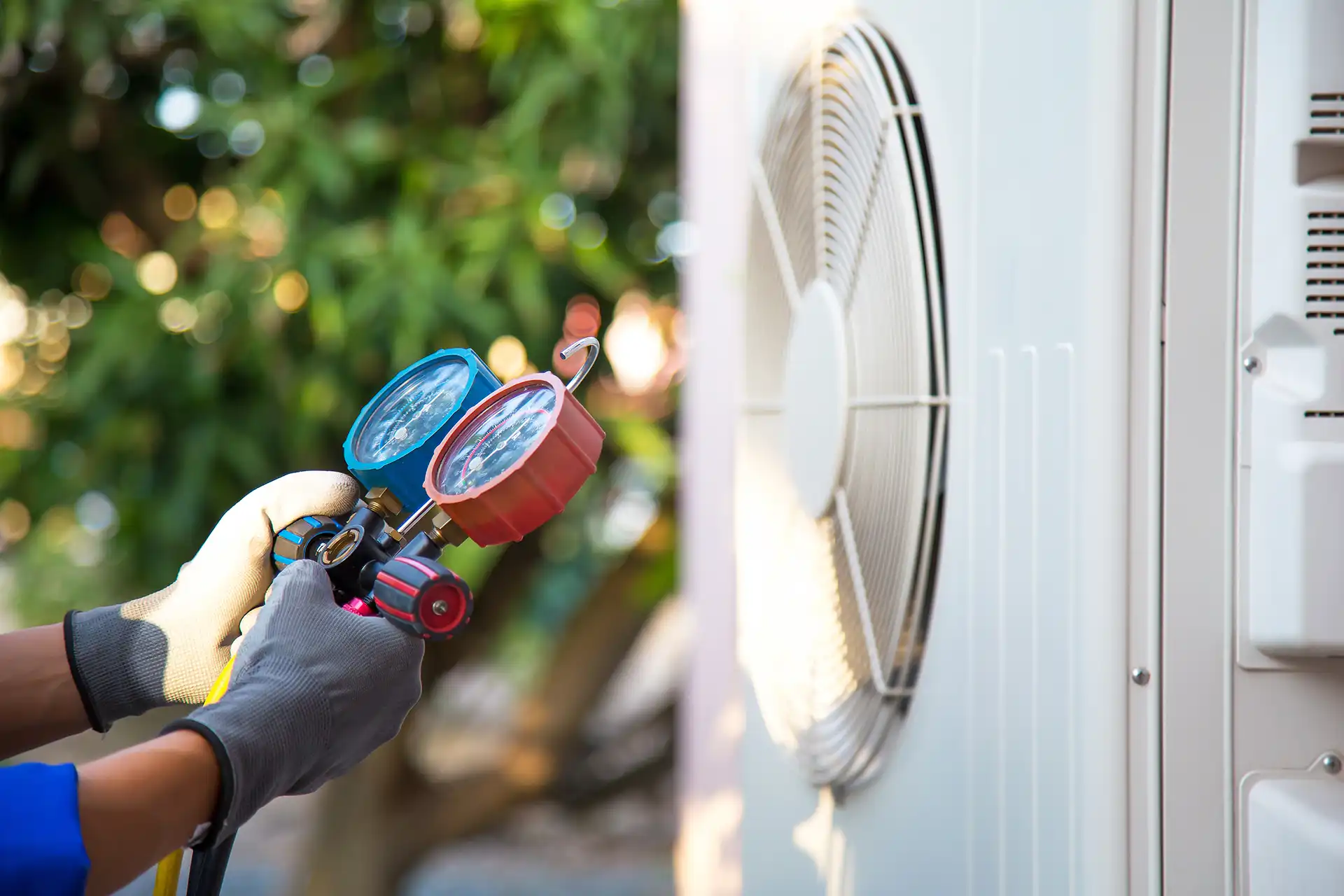
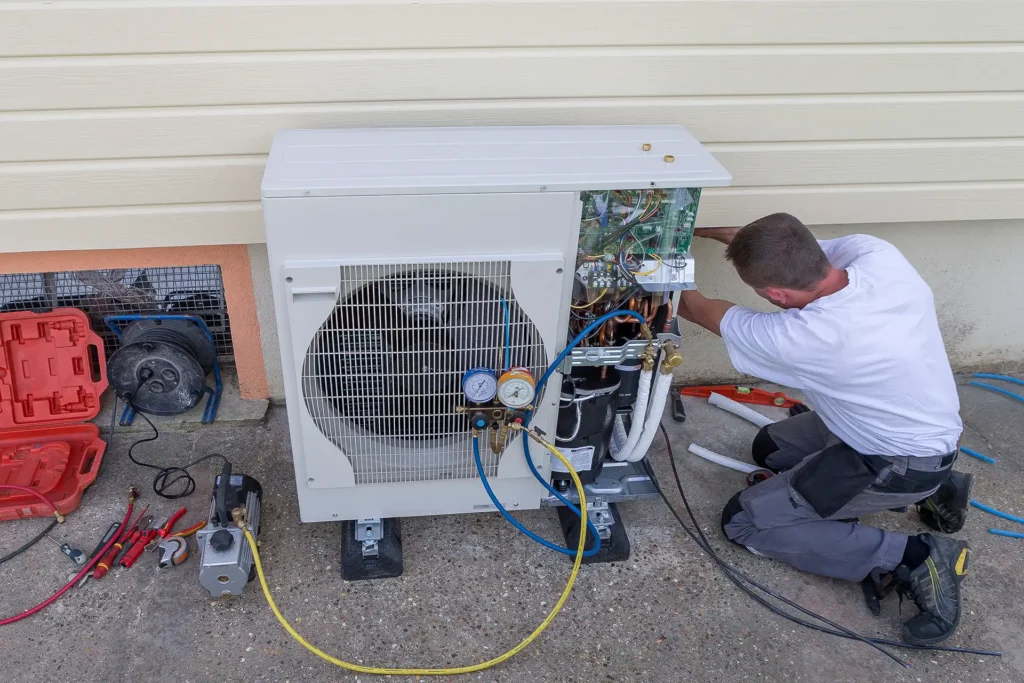
Five Star installs Mitsubishi Electric heat pump systems, including both ductless and ducted configurations. Mitsubishi’s lineup is well suited to the demands of the Illinois climate and backed by strong manufacturer warranties. We handle everything from the initial assessment through equipment selection, installation, and ongoing service. If you already have a heat pump installed by another company and need service or repair, we can help with that as well. Our technicians are trained on Mitsubishi equipment specifically, which means they bring the right diagnostic tools and knowledge to every visit rather than a generalist approach.
Long-Term Efficiency and Lower Operating Costs
One of the primary reasons homeowners consider heat pumps is the potential for lower operating costs over time. Because heat pumps move heat rather than generating it through combustion, they can deliver more heating and cooling output per dollar of electricity consumed than a conventional system. The efficiency advantage is most pronounced in moderate temperatures and diminishes somewhat in extreme cold, which is why proper system selection for the Illinois climate matters. We’ll give you realistic expectations about efficiency gains based on your home, not best-case projections.