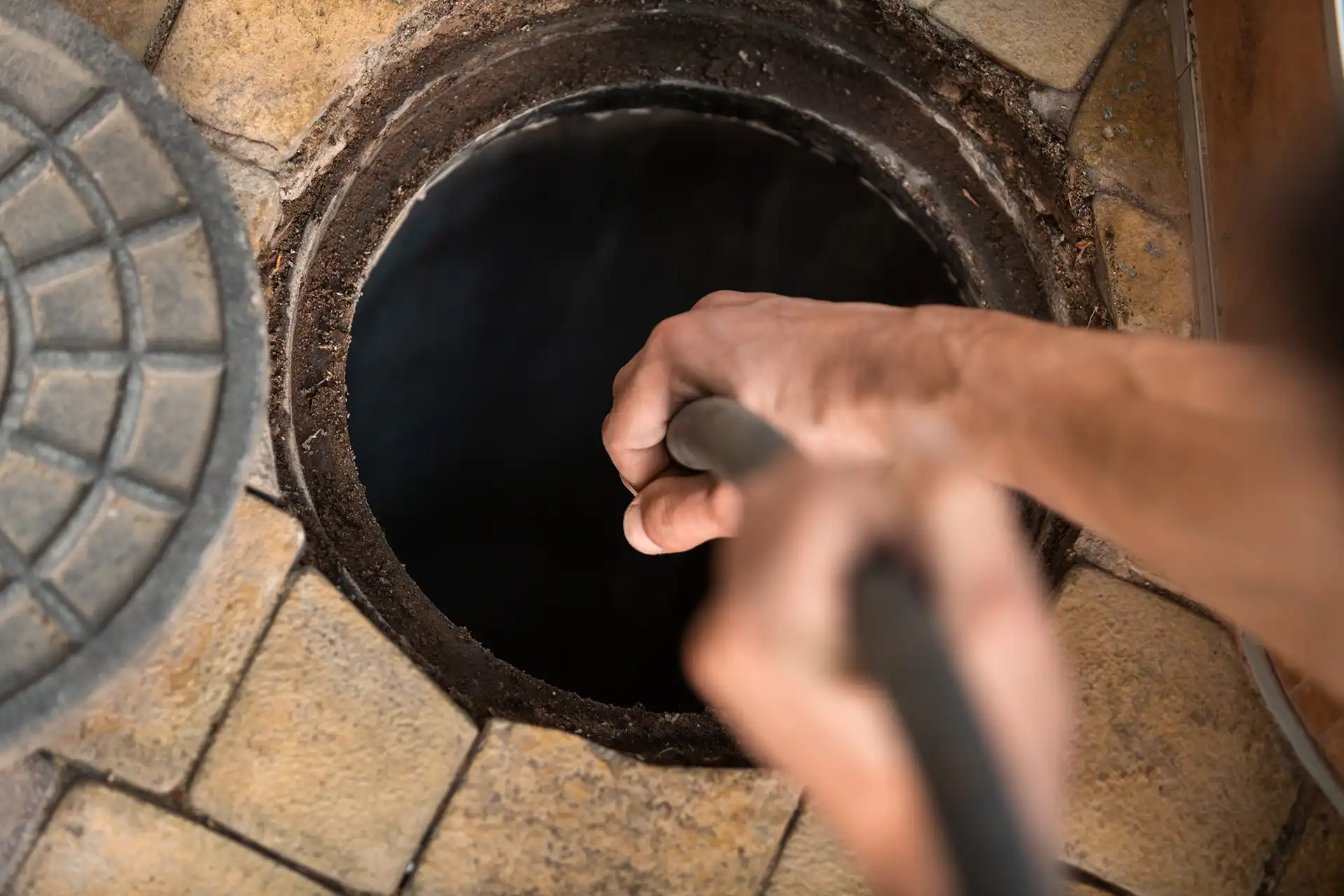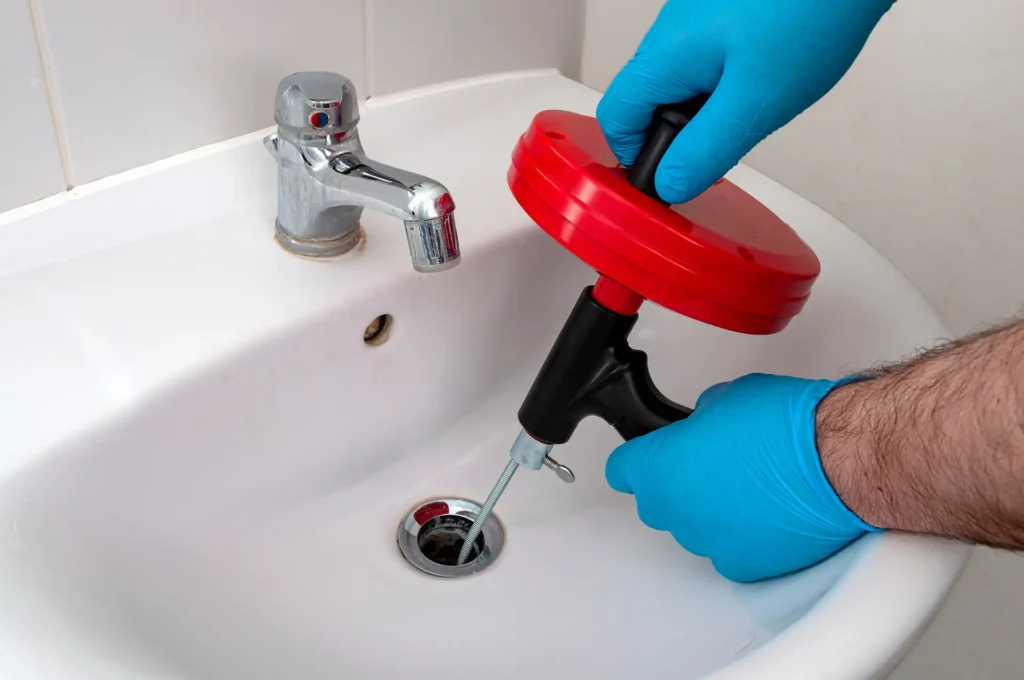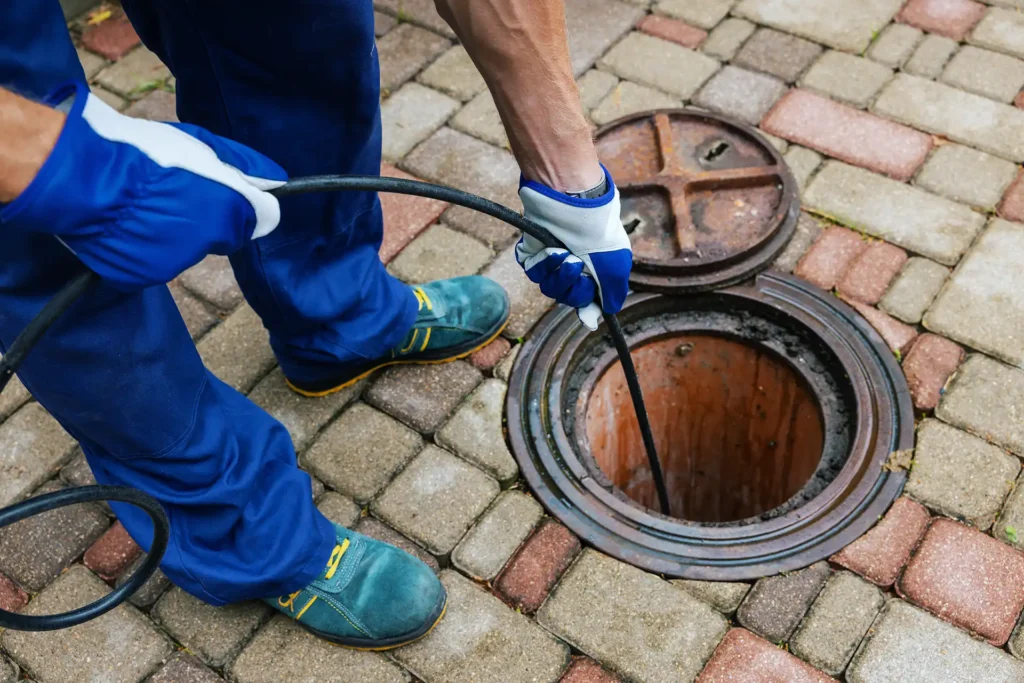
A slow sink and a sewer backup can both interrupt daily routines, but they do not call for the same response. Five Star Heating, Cooling, Plumbing & Electrical helps homeowners in Palatine restore drain flow by assessing where the restriction is and what the connected piping needs. We explain the proposed clearing approach and whether a recurring problem warrants further investigation. Clearing a blockage and repairing a damaged pipe are different services.
Water backing up now? Call (847) 250-6610 and describe which fixtures are affected when asking for the earliest available appointment. Open 24 hours a day, 7 days a week.
Local Clogs and Main-Line Drainage Problems
A restriction near one fixture can make a sink or shower drain slowly while the rest of the home works normally. When several fixtures back up together, the problem may be farther along a shared branch or sewer line. Knowing which fixtures are affected helps focus the assessment. Tell the plumber whether water rises in another drain when a toilet flushes or an appliance empties. The pattern matters more than assuming every clog is located directly beneath the slow fixture.
Drain cleaning removes an obstruction or buildup where the piping and access allow an appropriate clearing method. It does not automatically correct a broken pipe, a displaced connection, or another structural defect. If the condition suggests damage, sewer repair services may be relevant after the problem is evaluated. A useful recommendation separates the immediate goal of restoring flow from any additional work needed to address why the blockage developed or keeps returning.
Early Warning Signs and When to Stop Using Fixtures
Recurring slow drainage, gurgling, and water returning through a nearby fixture deserve attention before the system becomes unusable. An isolated slow sink may have a local restriction, while widespread symptoms need a broader view. Note whether the problem is constant, follows heavy water use, or began after an object entered a drain. Repeated clearing attempts that produce only brief improvement are also useful history and should be mentioned when scheduling.
Stop adding water when a fixture is overflowing or wastewater is backing up. Keep people and pets away from contaminated water and avoid wet electrical areas. Do not keep flushing a blocked toilet to see whether the next flush will clear it. For active backups, request emergency plumbing service and explain the extent of the problem. Cleanup and restoration may be separate from drain work, and safe access needs to be considered before investigation begins.
Why Drains Lose Flow or Clog Repeatedly
Hair, soap residue, grease, and unsuitable waste can restrict different parts of the drainage system. Some obstructions develop gradually; others follow a single item entering the line. Pipe condition and layout can also affect how well wastewater moves. A clog that returns quickly may indicate remaining buildup or a condition that clearing alone cannot resolve. Diagnosing that pattern is more useful than repeatedly assuming the next clearing will permanently solve the problem.
Five Star considers the symptoms and accessible system before explaining the next step. A sewer camera inspection may help evaluate accessible piping when conditions allow, particularly with recurring problems. A camera’s usefulness depends on access and visibility; standing water or an obstruction can limit what is seen. Ask what the inspection establishes and what remains uncertain rather than treating any image as proof of the entire line’s condition.
Our Drain Clearing and Assessment Process
We begin by identifying the affected fixtures, prior attempts to clear the line, and available access points. Tell the plumber about any chemical products already used. The proposed method should suit the line, the suspected restriction, and the condition of the piping. Discuss the purpose and scope before work proceeds, especially if additional access or equipment is required. Protecting the work area and understanding where water may return are practical parts of planning the service.
After clearing, flow should be checked and the results explained. Some situations call for further evaluation even if water now drains. Where suitable for the pipe and blockage, hydro jetting services can address certain buildup using high-pressure water. That method is not automatically appropriate for every line. Ask why a particular approach is recommended and whether there are known limitations or additional findings that could affect how long the improvement lasts.
Cleaning, Repair, and Preventing Repeat Restrictions
Cleaning versus repair depends on whether the problem is removable material, a defect in the piping, or a combination. A restored flow does not prove that every underlying issue has been corrected. When replacement or repair is proposed, review the evidence, location, access needs, and what the work will change. An estimate should distinguish immediate service from a larger project so you can understand the choices rather than treating every backup as the same job.
Keep grease, wipes, hygiene products, and unsuitable food waste out of drains. Use appropriate strainers and follow fixture and disposal instructions. Report a recurring change before multiple fixtures become unusable. Routine cleaning intervals should reflect the actual system and its history rather than a universal promise that maintenance prevents all backups. Chemical drain products do not diagnose a structural problem and may create additional handling concerns, so tell the service team if they have been used.
Local Help to Restore Normal Drainage
Five Star has served the community since 1981, including Palatine, Arlington Heights, Rolling Meadows, and surrounding communities. We help homeowners understand the difference between clearing a restriction, inspecting a line, and repairing a diagnosed defect. Share whether the home has any usable fixtures and whether wastewater is actively returning so the scheduling discussion reflects the situation. Availability and the work required determine the next practical step.
Schedule drain and sewer cleaning or call (847) 250-6610. Describe which drains are affected and how quickly the problem returned after any previous service. We will review the findings and explain appropriate options for restoring flow and addressing recurring trouble.