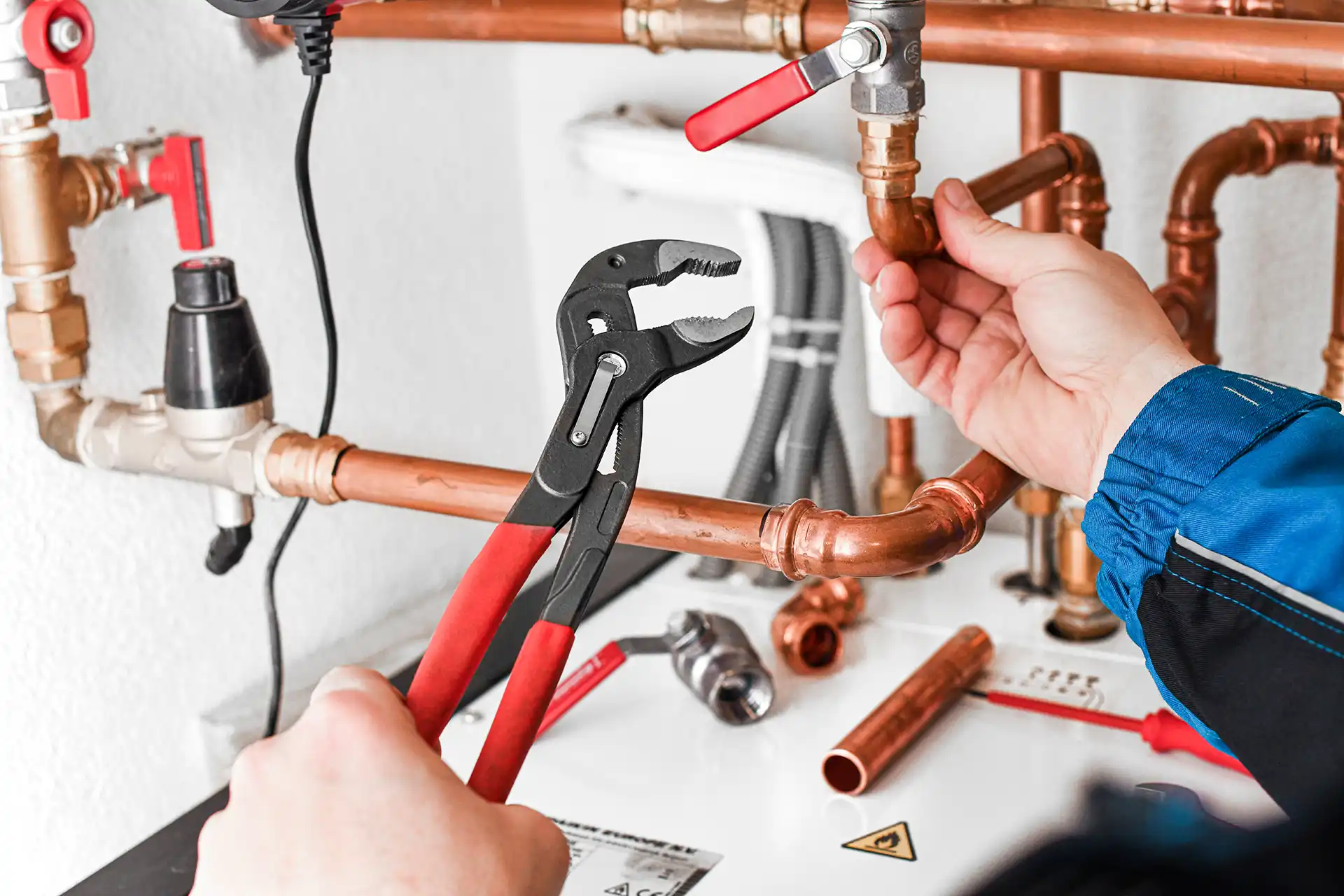
Repeated supply-pipe leaks deserve a closer look at the whole system. Five Star Heating, Cooling, Plumbing & Electrical provides repiping assessments for homeowners in Palatine. We review pipe condition, water-flow concerns, and previous repairs before recommending a limited replacement or a larger project. Replacing sound piping is not automatically the answer to a single leak, and a complete repipe should address a documented problem rather than age alone.
Need help with an active leak? Call (847) 250-6610 to describe the situation and ask about the earliest available appointment. Open 24 hours a day, 7 days a week.
When Supply Pipes Need More Than Another Patch
Repiping replaces some or all of a home’s water-supply piping. It differs from replacing a drain or sewer line: supply pipes deliver pressurized water, while drains carry wastewater away. Repeated failures in separate supply branches, widespread internal corrosion, and restrictions affecting multiple fixtures can justify a broader evaluation. The plumber also considers accessible valves, connections, and previous modifications. Knowing which system is failing helps keep the recommended work focused and makes estimates easier to compare.
A localized fitting failure may still be handled through plumbing repair. Before committing to replacement, document where leaks occurred, which materials were repaired, and whether water-flow problems happen throughout the home. A history of isolated issues is different from deterioration across several branches. Your assessment should explain which observations support the recommendation, which sections remain serviceable, and whether inaccessible piping limits what can be confirmed without further investigation.
Warning Signs to Discuss With a Plumber
Recurring leaks, corrosion around connections, and a gradual decline in usable flow are reasons to arrange service. Discolored water can also merit investigation, but it does not prove that the entire house needs new piping. A water heater, utility-side work, or one affected fixture may contribute to a symptom. Note whether a change appears in hot water, cold water, or both, and whether it clears after brief use or continues.
Compare several fixtures rather than judging the system from one faucet. A clogged aerator can reduce flow at that outlet without indicating a pipe problem. For damp areas whose source is uncertain, water leak detection helps separate supply leaks from other causes. Avoid opening walls simply to follow a stain; water may travel away from the original leak. Share photographs and prior repair records when available so the evaluation starts with useful history.
Choosing Materials and a Practical Project Scope
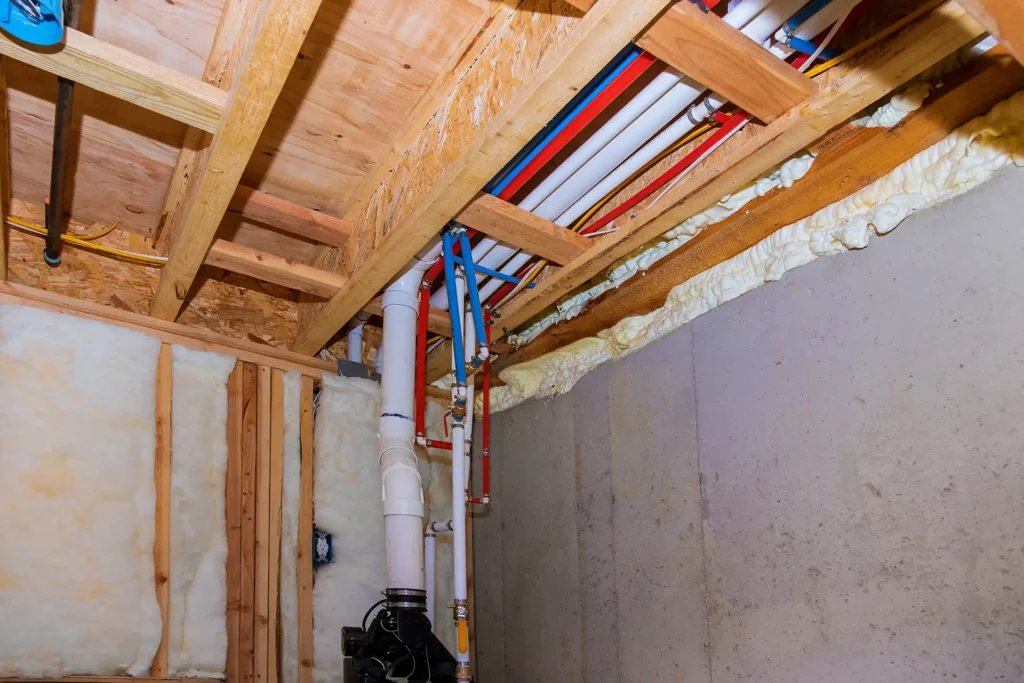
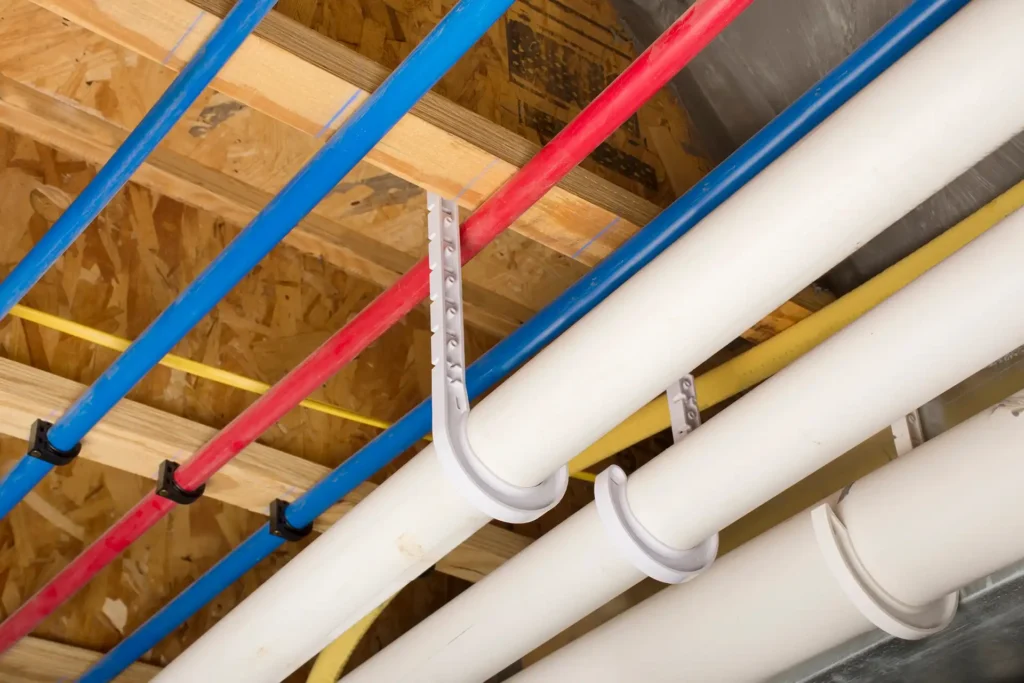
Copper and approved plastic piping systems have different installation requirements, connection methods, and routing considerations. Material selection depends on the application, water conditions, local requirements, and the existing system. Equipment compatibility includes valves and transitions between materials, not just pipe diameter. Flexible piping can simplify some routes, but it does not eliminate every wall opening. No material should be described as immune to freezing, wear, or installation problems.
Five Star explains how a proposed material fits the actual project. Ask which branches are included, whether shutoff valves will be replaced, and how connections to fixtures will be handled. Whole-home work may be reasonable when several branches share the same deterioration; a partial project may suit a confined problem. An estimate should identify what remains in place and distinguish plumbing work from drywall, paint, tile, or other finish restoration that may be handled separately.
What to Expect During a Repiping Project
Planning starts with available access, a proposed pipe route, and an explanation of water-service interruptions. Clear the work areas and discuss household scheduling needs before installation begins. The team should identify required preparation, protection of nearby belongings, and any inspection steps relevant to the project. Ask how the home will be left between work periods, especially when the project extends beyond one day. A clear scope helps prevent assumptions about uninterrupted water service or finish repairs.
After installation, connections and system operation need to be checked before the project is considered finished. Review which shutoff valves serve the new piping and how to recognize an issue requiring a follow-up visit. Where the concern involves the incoming service rather than interior branches, water line repair may be the more appropriate service. A new interior piping system cannot by itself correct a separate restriction or problem outside the agreed work area.
Protect the New Piping and Track Changes
Routine attention starts with knowing where accessible shutoff valves are and keeping them reachable. Look periodically under sinks and near exposed connections for moisture, staining, or corrosion. Address a small change before it becomes a prolonged leak. In cold weather, discuss vulnerable pipe routes and appropriate insulation; pipe replacement alone does not remove the need for freeze protection. If water flow changes after work, describe which fixtures are affected rather than adjusting unrelated equipment yourself.
Keep the project scope, material information, and maintenance guidance with your home records. For a broader renovation, plumbing replacement services can address related fixtures and connections as a coordinated plan. Follow the instructions for installed components and ask about any recommended checks. Do not assume that improved appearance or taste establishes drinking-water safety; specific water-quality concerns require an appropriate evaluation independent of whether the piping is new.
Local Guidance for Your Next Step
Five Star has served the community since 1981. Our service area includes Palatine, Arlington Heights, Rolling Meadows, and surrounding communities. We focus the conversation on the condition of your piping, the disruption involved, and the choices available. Bring questions about phasing, access, and restoration to the consultation so you can understand the full project rather than comparing equipment or material prices alone.
Schedule a repiping assessment through our service request page or call (847) 250-6610. Tell us whether you are planning ahead or dealing with an active leak. We will discuss the findings and recommended next steps before you decide how to proceed.