How Water Line Problems Show Up
Water line issues rarely look the same from one home to the next. A sudden drop in water pressure throughout the house, discolored water at multiple fixtures, an unexplained spike in the water bill, or wet patches appearing in the yard during dry weather are all signs that something may be wrong with the main water line or a supply line serving part of the home. In some cases the problem is gradual and easy to dismiss early on. In others, a line failure is sudden and leaves the home without water entirely. Either way, water line repair in Palatine from Five Star starts with an accurate diagnosis before any repair work begins.
What We Repair
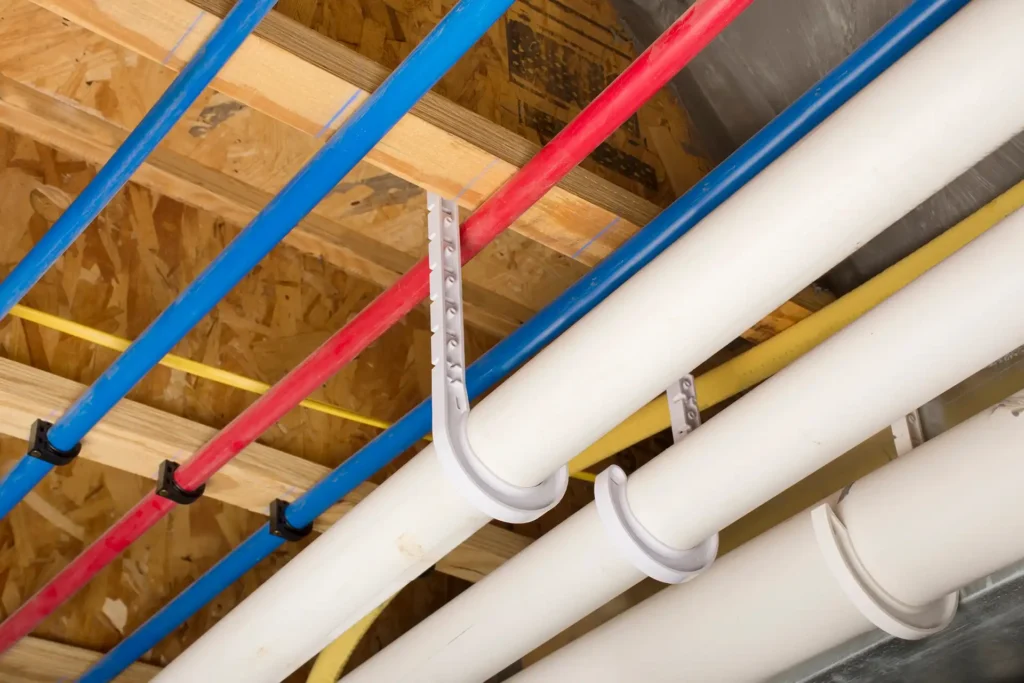
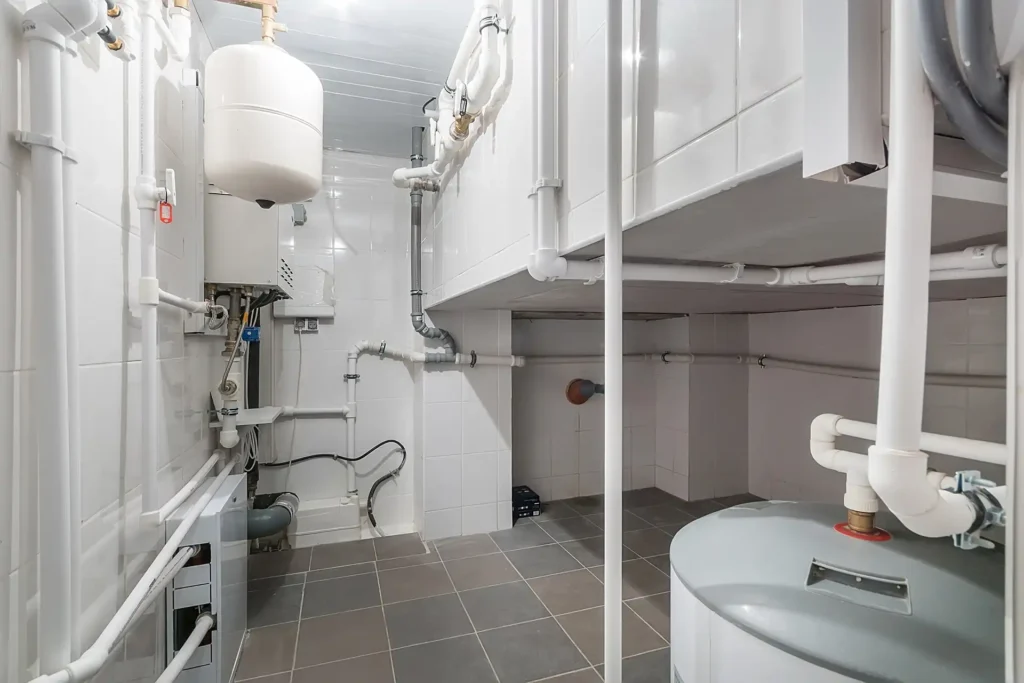
Five Star handles water line repairs across the full range of issues that affect residential supply lines. Corrosion and pinhole leaks in older copper or galvanized lines, joint failures, freeze damage, and tree root intrusion into underground supply lines are among the most common problems we address. We work on both interior supply lines and the main water line running from the street to the home. For lines that have experienced isolated damage, a targeted repair is often the most practical approach. Where deterioration is more widespread, we’ll be straightforward about whether a section replacement or full line replacement makes more long-term sense.
Underground Line Repairs
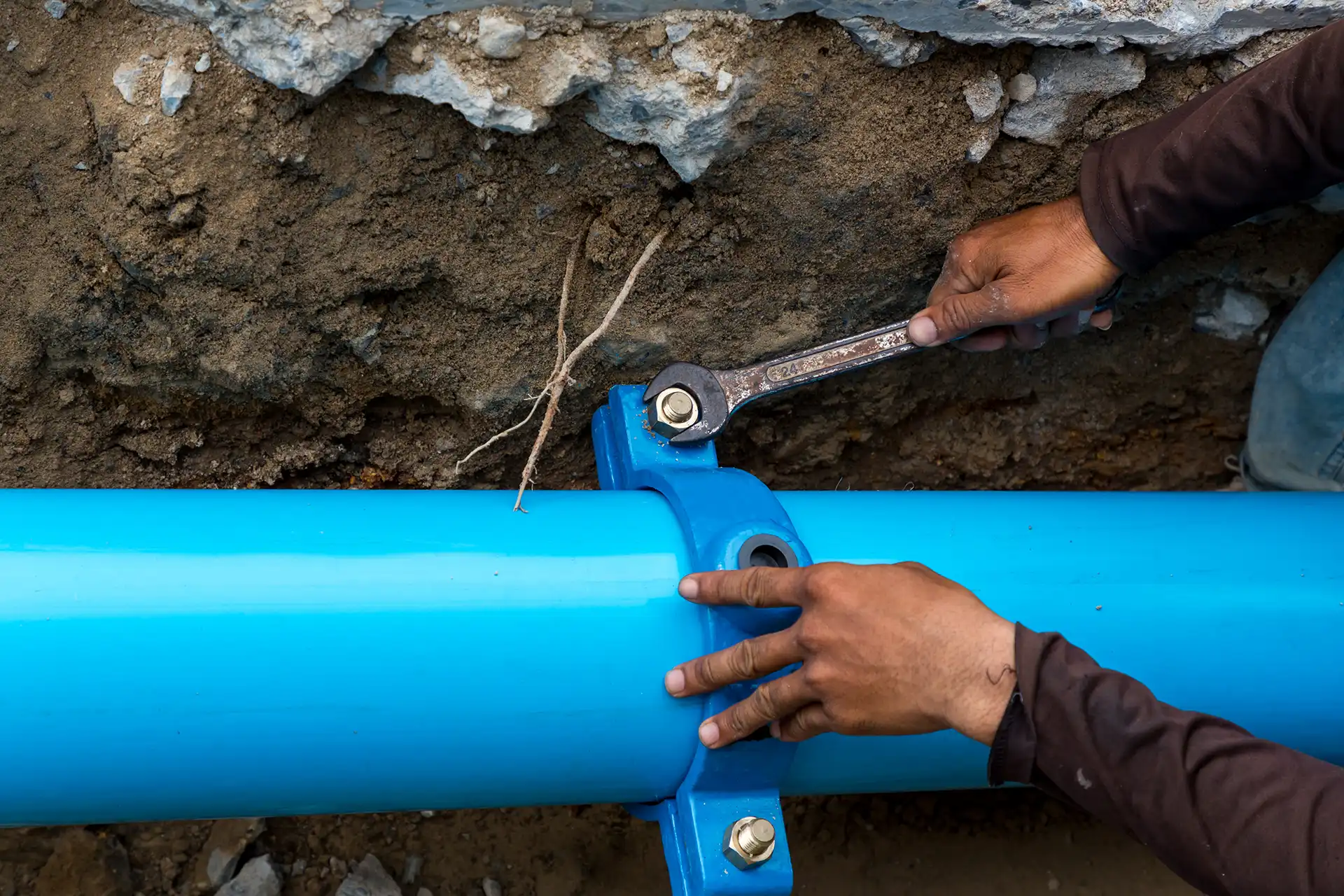
Water line problems that originate underground require a different approach than a standard interior plumbing repair. Five Star uses leak detection equipment to locate the source of an underground line failure before any excavation takes place, keeping the disruption to your yard as limited as possible. Once the leak is found, we’ll outline the repair options and associated costs clearly before any digging begins. In some cases, trenchless repair methods can address the problem with minimal surface disruption. We’ll let you know whether that’s a viable option for your specific situation.
When the Problem Is More Than One Leak
An isolated leak in an otherwise sound water line is usually straightforward to repair. But when a line is showing its age in multiple places, or when the material itself has reached the end of its reliable lifespan, continued spot repairs may not be the most cost-effective path. If our assessment suggests that the line is likely to develop additional problems in the near future, we’ll tell you that honestly and walk you through what a full replacement would involve. The decision is yours, and we’ll give you the information you need to make it without pressure.