AC Filter Replacement in Palatine
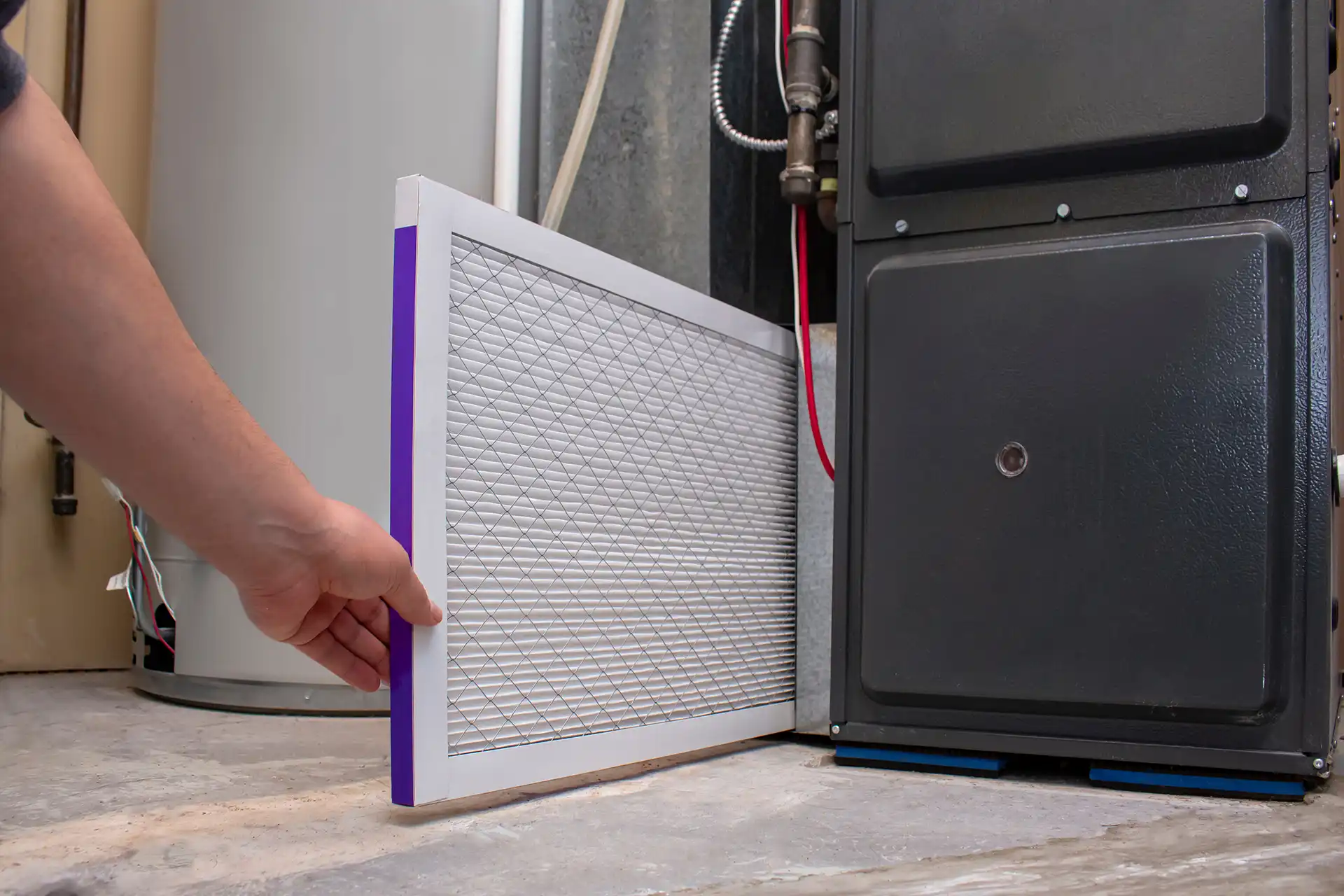
Long cooling cycles during a humid Palatine summer move plenty of air through your AC filter. When that filter becomes loaded with dust, airflow and comfort can suffer. Five Star helps you identify the correct size and compatible filter, replace it, and understand when to check it again. If cooling remains weak after a filter change, we can help determine whether the system needs further service.
Request AC filter replacement or call (847) 250-6610. For persistent cooling problems, explore our AC repair services.
More Than a Maintenance Item
Most homeowners think of air filters as something to swap out occasionally and not think much about. In reality, the filter you choose and how consistently you change it has a direct impact on both your HVAC system’s performance and the quality of air circulating through your home. A filter that’s too restrictive for your system starves it of airflow and causes it to work harder than it should. One that’s too loose lets fine particles pass through freely. Getting it right means understanding what your system can handle and what your household actually needs.
Understanding Filter Ratings
Air filters are rated on the MERV scale, which stands for Minimum Efficiency Reporting Value. A higher MERV rating means the filter captures smaller particles, but it also means more resistance to airflow. Standard one-inch filters typically fall in the MERV 1 to 8 range and are appropriate for most residential systems focused primarily on equipment protection. Filters in the MERV 9 to 12 range offer better particle capture for households with allergy concerns or pets, but they need to be matched to a system that can handle the added resistance. High-efficiency options above MERV 13 are available but require proper system evaluation before installation. We’ll help you find the right balance for your home.
When a Standard Filter Isn’t Enough
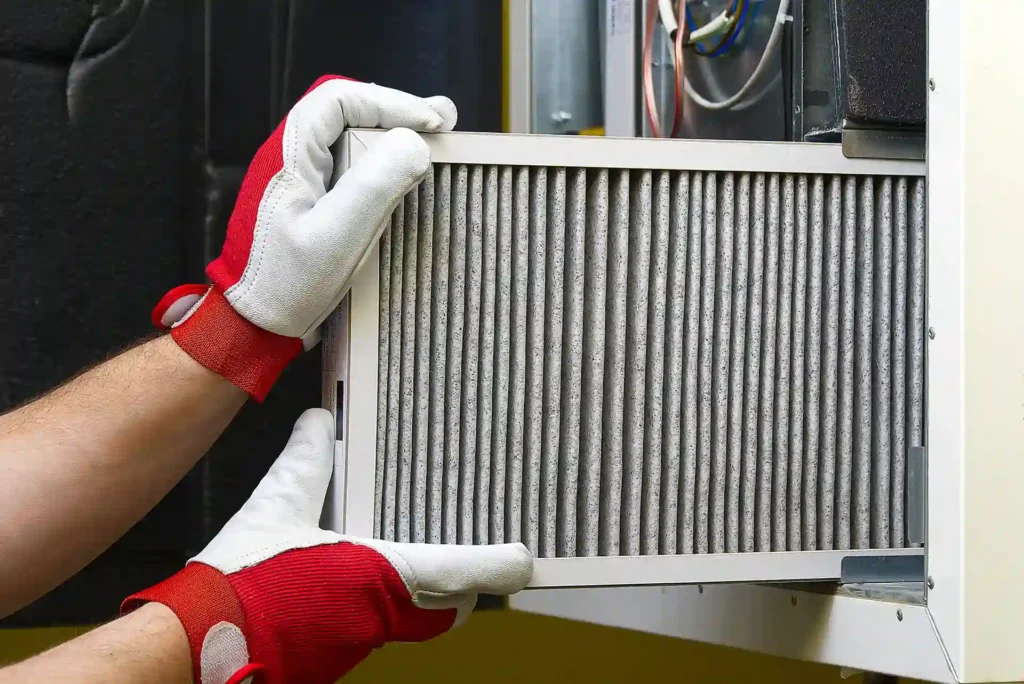
For households where air quality is a priority, a standard one-inch filter has real limitations regardless of its MERV rating. Thicker media filters, sometimes called four or five-inch filters, offer significantly better filtration with less airflow restriction than a thin high-MERV filter, and they last longer between changes. These are installed in a dedicated filter cabinet that mounts to the HVAC system and are a practical upgrade for homeowners who want better filtration without the maintenance demands of an electronic air cleaner. Five Star can assess your current setup and let you know whether an upgrade makes sense.
Filter Changes Matter More Than Most Homeowners Realize
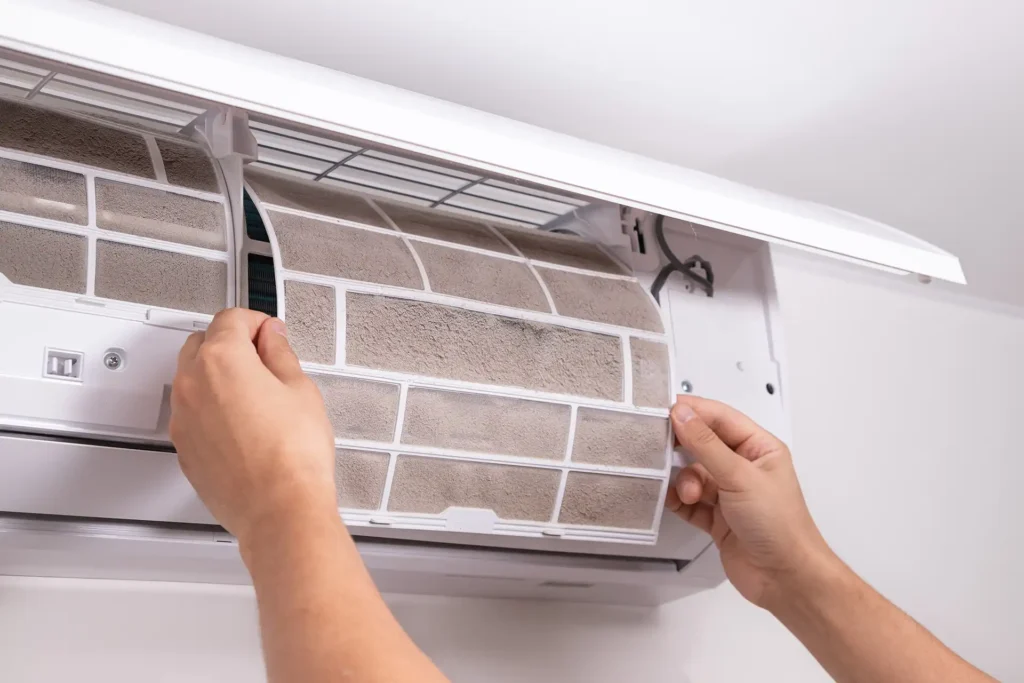
A clogged filter is one of the most common causes of HVAC performance problems we see. Restricted airflow forces the system to work harder, raises energy consumption, and in severe cases can cause the heat exchanger to overheat or the evaporator coil to freeze. Most standard filters need to be changed every one to three months depending on household conditions. Homes with pets, high dust levels, or occupants with allergies typically need more frequent changes. If you’re not sure how often your filter should be changed or what size your system takes, we can answer those questions during any service visit.