What a Breaker Actually Does
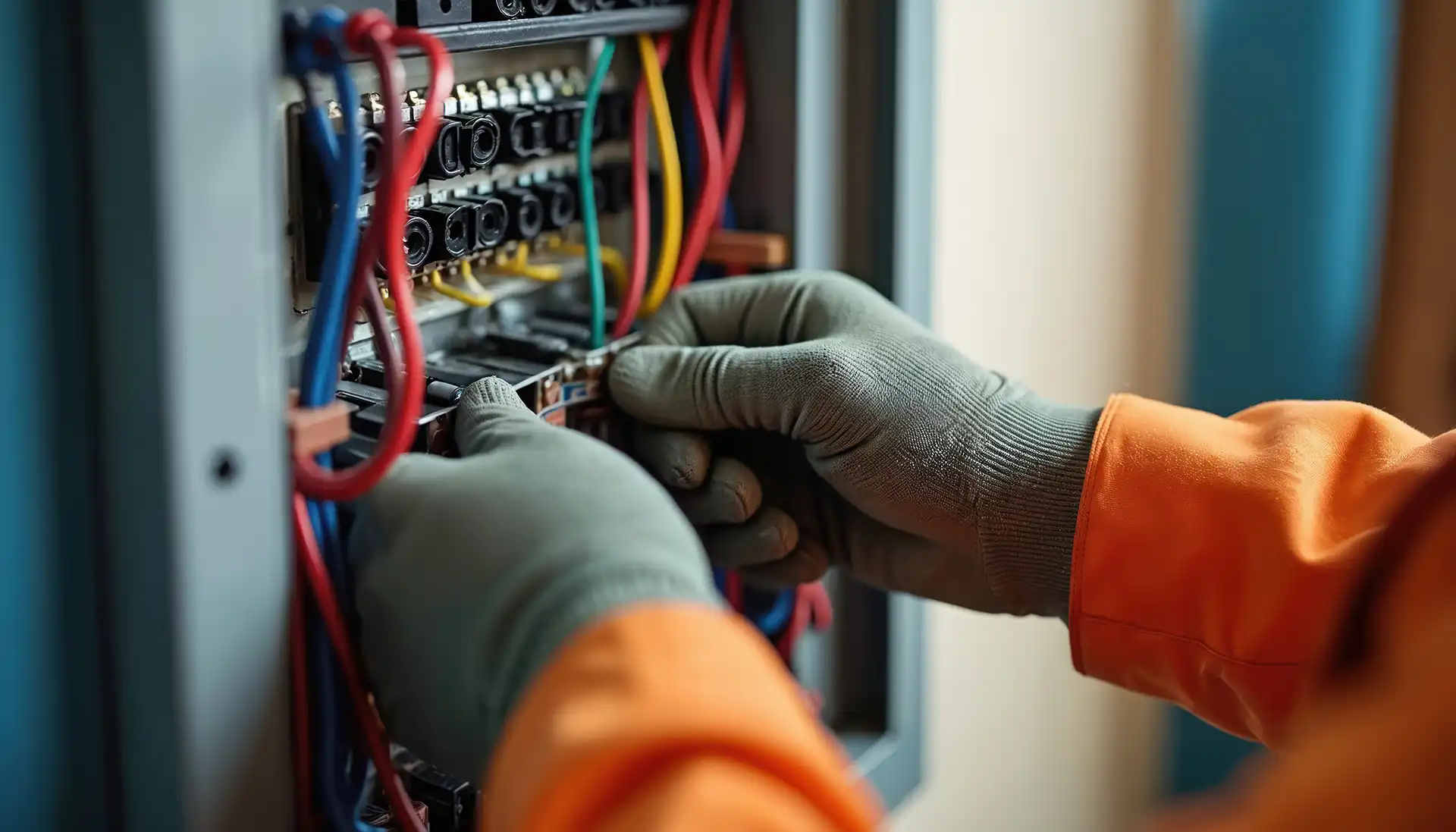
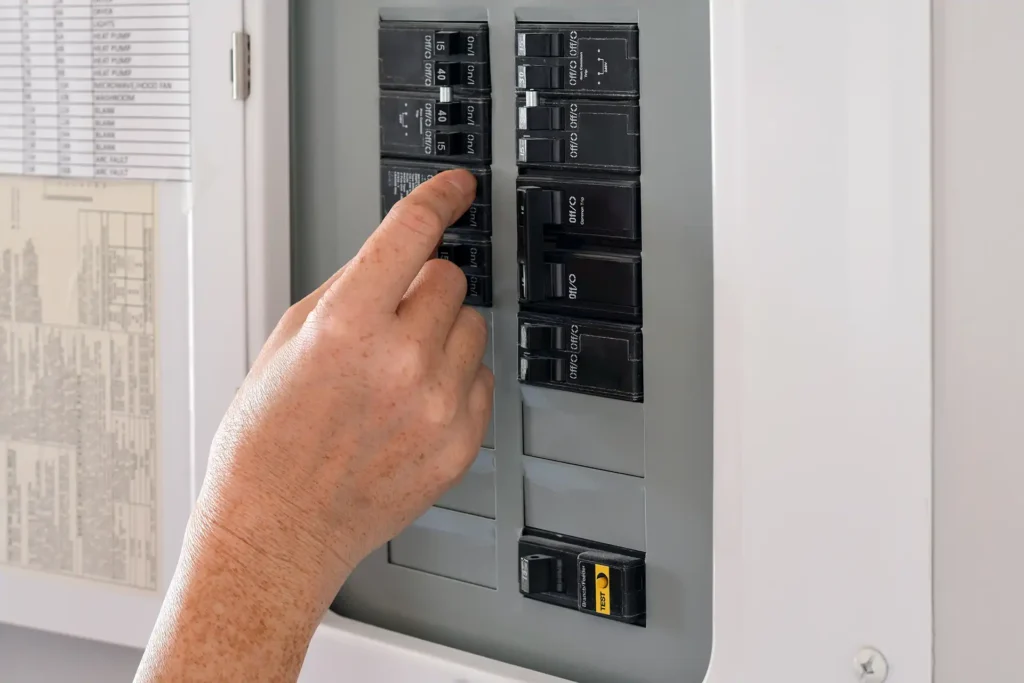
A circuit breaker is a safety device. Its job is to monitor the electrical current flowing through a circuit and trip, cutting power, when that current exceeds a safe level. This protects the wiring in your home from overheating and reduces the risk of an electrical fire. When a breaker trips under normal load, won’t reset, feels hot to the touch, or shows visible signs of damage like burn marks or a burnt smell, it’s telling you it can no longer do that job reliably. Breaker replacement in Palatine from Five Star restores that protection and gives you confidence that the circuit is being properly managed.
Signs a Breaker Needs to Be Replaced
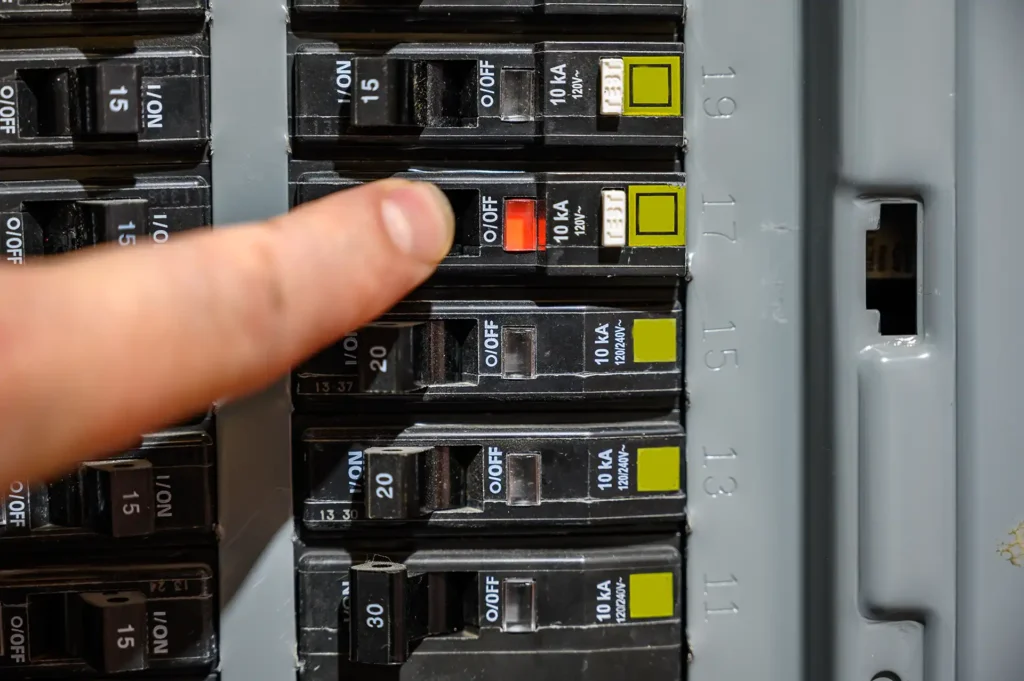
Not every tripped breaker needs to be replaced. A breaker that trips occasionally under a genuinely heavy load is doing exactly what it’s supposed to do. But there are clear signs that a breaker itself has failed and needs to come out. A breaker that trips repeatedly under normal conditions, one that trips and won’t reset even after the load is removed, a breaker that feels warm or hot when the panel is opened, or one that shows physical signs of damage or arcing are all indicators that replacement is warranted. Our electricians will assess the breaker and the circuit it serves to confirm the breaker is the problem before replacing it.
Single Breaker Replacement vs. Panel Evaluation
Sometimes a single breaker replacement is all that’s needed. Other times, a failing breaker is a symptom of a broader issue with the panel. An older panel that is running at or near capacity, a panel with a history of multiple breaker failures, or a panel from a manufacturer with a known reliability history worth evaluating are all situations where a single breaker swap may not fully address the underlying issue. If our electrician identifies concerns beyond the breaker itself during the visit, we’ll bring them to your attention with options. The decision on how to proceed is always yours.
AFCI and GFCI Breakers
Breaker replacement is also an opportunity to upgrade the level of protection on a circuit. Arc fault circuit interrupter breakers, known as AFCI breakers, detect dangerous electrical arcing that standard breakers miss and are now required by code in most living areas of new construction. Ground fault circuit interrupter breakers, or GFCI breakers, provide shock protection and are required in areas exposed to moisture. If the circuit being worked on would benefit from either type of protection, we’ll let you know and include the option in your quote.