Five Star Heating, Cooling, Plumbing & Electrical provides rooter service in Palatine, IL for stubborn drain blockages, recurring backups, and sewer lines that no longer carry wastewater away normally. A slow fixture may need localized clearing, while several affected drains can point to a restriction farther downstream. The right approach starts with identifying where the problem is and whether the pipe is sound enough for mechanical cleaning. Tell us which fixtures are affected and how quickly the symptoms returned after your last service.
Call (847) 250-6610 to discuss your concerns and ask about the next available appointment.
Drain Problems Rooter Service Can Address
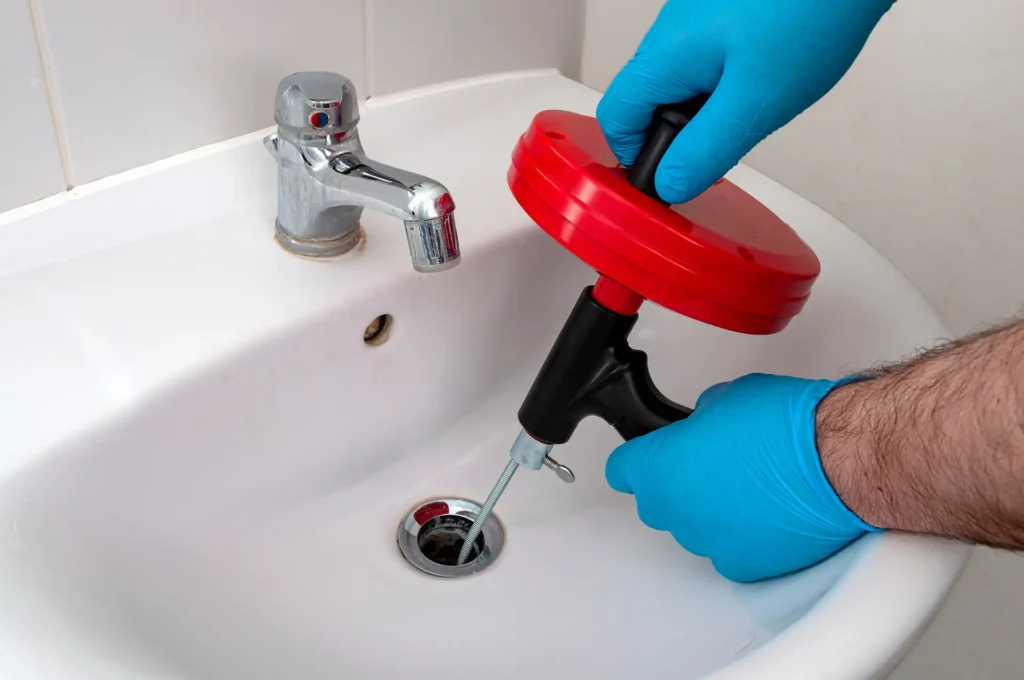
Rooter equipment uses a rotating cable with a suitable cutting or clearing attachment to work through a blockage. Depending on the drain and its condition, mechanical clearing can address accumulated debris, compacted waste, or roots entering a damaged sewer joint. The goal is to restore a usable flow path while avoiding unnecessary stress on the pipe. Equipment selection depends on pipe size, access, material, and the suspected obstruction; a kitchen branch and a main sewer require different decisions.
A single clogged sink does not automatically need main-line rooter work. Our drain and sewer cleaning service considers the affected fixtures together before recommending a method. If water backs up into a tub when a toilet flushes, that connection is useful diagnostic information. Note whether the trouble appears only during heavy water use or even with a small amount of flow. Those details help separate an isolated trap blockage from a larger restriction.
Warning Signs of a Developing Sewer Blockage
Recurring clogs, gurgling fixtures, slow tubs, and wastewater returning through a low drain deserve attention before the next backup. Several fixtures becoming slow at the same time may indicate a shared drain problem. A sewage smell alone does not prove there is a blocked sewer, however; traps, vents, and damaged connections can create similar symptoms. A proper evaluation avoids treating every odor or slow drain as the same problem.
If sewage is actively backing up, stop using the affected plumbing and keep people and pets away from the water. Do not add chemical drain cleaner before an appointment; tell the technician if any product has already been used. Avoid repeated flushing to test a suspected main-line blockage. These simple steps limit added wastewater and give the plumber a clearer picture of the original problem without creating another overflow.
Why Roots and Recurring Clogs Need a Closer Look
Roots generally reach a sewer through an opening, such as a loose joint or damaged pipe. Cutting the roots can improve flow, but it does not seal that opening or restore a broken section. In established Palatine neighborhoods, mature landscaping makes root intrusion one possibility to investigate, not a diagnosis to assume. Grease buildup, pipe offsets, settled sections, and items that should not have been flushed can also cause repeat restrictions.
A sewer camera inspection can help show the condition of an accessible line after sufficient flow has been restored. Five Star can explain whether the visible issue supports cleaning, monitoring, or a separate repair discussion. Our sewer camera inspection service helps distinguish a removable obstruction from a defect that may continue catching debris. Camera access and visibility vary, so findings should be understood in the context of what can actually be inspected.
What Happens During a Rooter Service Visit
The visit begins with your symptom history and an assessment of the affected fixtures and available cleanouts. The plumber identifies a suitable access point, explains the proposed clearing approach, and discusses the scope before work proceeds. Cable size and attachments should match the line rather than simply forcing a tool through resistance. If the pipe condition or access changes the plan, the next step should be explained before additional work begins.
After clearing, we check drainage under appropriate water flow and review any remaining concerns. Restored flow is useful, but a drain that briefly empties is not proof that every underlying defect is gone. Ask what was found, whether a camera assessment is appropriate, and which symptoms should prompt another call. Keeping the service findings with your home records makes it easier to compare future problems and decide whether another cleaning is reasonable.
Rooter Cleaning, Hydro Jetting, or Pipe Repair?
Mechanical rooter work and water jetting solve different problems. A cable can open a path through certain blockages, while hydro jetting may be considered for deposits on suitable pipe walls. Neither method is automatically right for every sewer. Fragile, collapsed, or seriously displaced piping needs a different evaluation. The decision should reflect the condition and location of the problem, not a promise that one cleaning method fixes every backup.
When roots return through an existing defect or a damaged section keeps collecting waste, sewer repair options may be more practical than repeated clearing alone. Compare the expected benefit, disruption, and scope of each recommendation. Clearing a blockage is not the same as repairing a pipe. Understanding that distinction helps you plan the next step without assuming that every root problem requires immediate replacement of the entire line.
Keeping Drains Moving After Service
Keep grease, wipes, paper towels, and hygiene products out of the drains, even when packaging suggests they are flushable. Use strainers where hair and food scraps accumulate, and follow any maintenance advice based on the actual findings. A recurring restriction deserves a review of its cause rather than an automatic cleaning schedule. Watch for a change from your normal drainage pattern and address it while the plumbing still works.
Five Star helps Palatine homeowners understand their drain and sewer options, from the first assessment through a follow-up repair discussion. Open 24 hours a day, 7 days a week. Appointment timing depends on current availability and the work required. For a persistent clog or repeated backup, call (847) 250-6610 and describe what is happening. We can help arrange the next appropriate service step and explain what to avoid until the drain is evaluated.