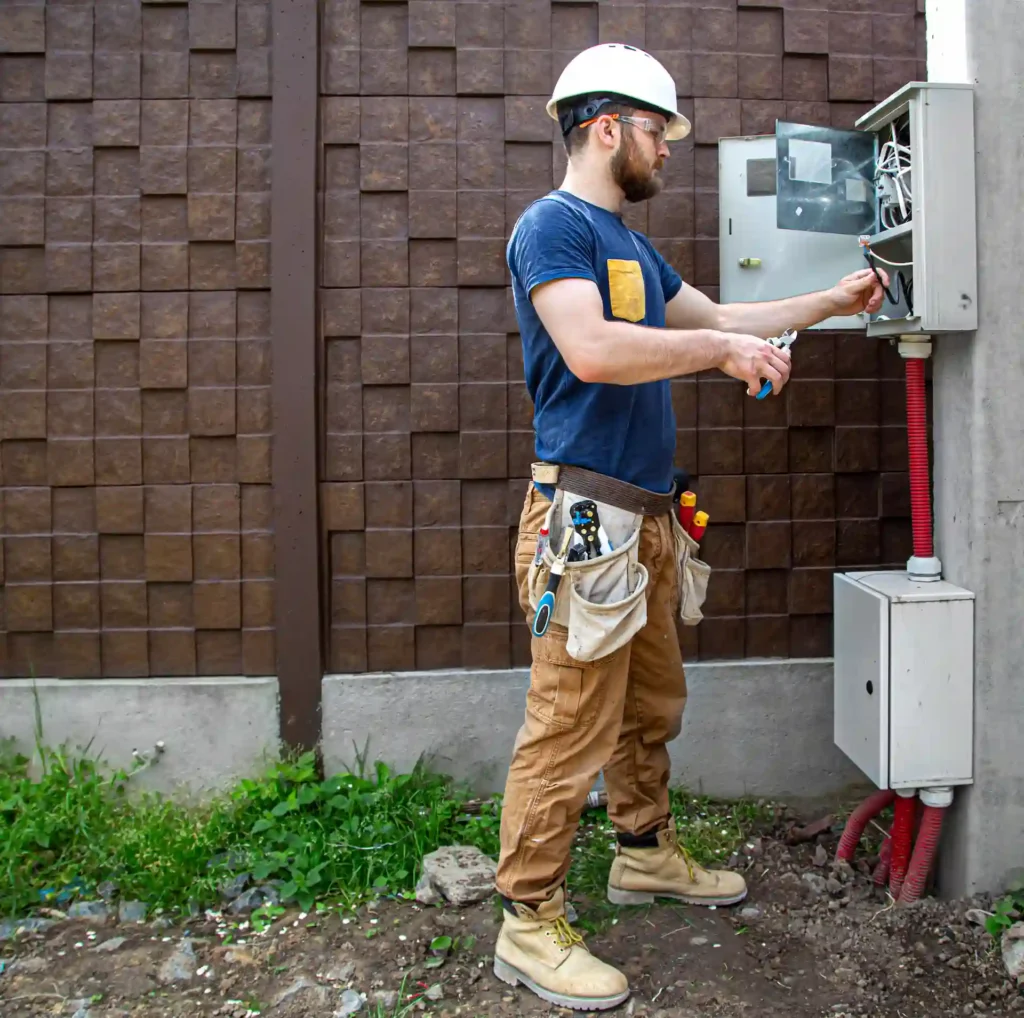
Five Star Heating, Cooling, Plumbing & Electrical helps Palatine homeowners plan EV charger installation and maintenance for convenient charging at home. The right setup depends on your vehicle, daily driving, parking location, and available electrical capacity. A charging station should be matched to the home as carefully as it is matched to the car. An electrical evaluation helps identify the circuit, connection method, and installation details before equipment is mounted or a new outlet is added.
Call (847) 250-6610 to discuss your concerns and ask about the next available appointment.
Choose Charging Around Your Daily Driving
Home charging options vary in charging rate and installation requirements. A standard outlet may meet some drivers’ needs, while a dedicated Level 2 setup can provide more charging during an overnight stay. The vehicle’s onboard charging capability also limits the rate it can accept. Choosing the highest advertised charger output does not automatically create a better result if your driving routine, vehicle, or electrical service cannot use it.
Consider how far you typically drive, how long the vehicle stays parked, and whether another EV may be added later. Share the charger specifications before installation so the circuit can be planned for the actual equipment. Five Star can help you compare practical electrical options without assuming that every home needs the same charging rate. Charger selection should also account for connector compatibility, manufacturer requirements, and the charging features you expect to use.
Assess Electrical Capacity Before Installation
An EV charger adds a sustained electrical load. Available panel space is only one part of the assessment; the service rating, existing demand, wiring, and proposed charging current also matter. A load calculation helps establish an appropriate approach. Some homes can support the planned charger with a new dedicated circuit, while others require a different charging setting, compatible load management, or a more substantial electrical project.
Our electrical panel services can address capacity and equipment concerns when an upgrade is warranted. A larger panel cabinet alone does not increase the supply available to the home. The recommendation should explain what limits the installation and how the proposed work addresses it. Ask whether the estimate includes circuit wiring, equipment mounting, required approvals, and any additional work at the service or meter.
Locate the Charger for Safe, Practical Use
The charger should be reachable from the vehicle without placing the cable across a walkway or forcing a tight bend at the connector. Garage layout, parking orientation, door movement, and storage can all affect placement. Outdoor installations need equipment and installation methods suitable for the location. In Palatine, seasonal weather makes it especially useful to plan cable storage and equipment access so snow, rain, and ice do not turn routine charging into an awkward task.
The distance from the panel affects wiring routes and installation work. Our wiring and rewiring service supports a circuit designed for the selected equipment and route. A hardwired installation and a receptacle-connected installation have different requirements; neither should be chosen solely because a nearby outlet looks convenient. Follow the charger manufacturer’s instructions and avoid extension cords or improvised adapters unless the equipment specifically supports the intended arrangement.
What the Installation Process Includes
We begin with the vehicle and charger information, a review of the parking area, and an assessment of the electrical system. The proposed scope identifies the charging equipment connection, circuit route, mounting location, and any capacity work. Permit and inspection requirements are considered as part of the project. If you have not purchased equipment, the assessment can help prevent buying a model that does not fit the available capacity or planned installation.
After the electrical work is completed, the charger’s settings and operation should be checked against the installed circuit and equipment instructions. The charging current must not exceed what the installation supports. Review cable storage, normal indicators, shutdown instructions, and any app setup needed for your equipment. Keep the installation documents and product information accessible. If charging is limited by vehicle settings or software, that should be distinguished from a fault in the home’s electrical connection.
Maintenance and Charging Problems Worth Checking
Inspect the accessible cable and connector for visible wear, keep the equipment clean according to the manufacturer’s directions, and watch for unusual heat, repeated interruptions, or damaged housings. Do not open the charger or panel yourself. A charging fault can come from the vehicle, the station, settings, communications, or the power supply. Recording the error message and when it occurs helps narrow the issue instead of replacing parts based on a single symptom.
For repeated trips or damaged electrical connections, our electrical repair service can evaluate the supply side of the installation. Stop using equipment that is visibly damaged or shows signs of overheating. Repeated breaker resets are not maintenance and should not become part of the charging routine. Product-specific repairs may need manufacturer support, so keep the model, serial number, and warranty information with your installation records.
Plan Charging With Your Home’s Other Needs
Charging plans are easier to coordinate when they are considered alongside a remodel, new appliances, or other electrical improvements. Our electrical inspections can help assess concerns that extend beyond the charger circuit. If multiple projects are planned, sharing the complete list allows the electrician to consider the combined demand. It also helps identify opportunities to coordinate access before walls or ceilings are finished.
Five Star helps you plan an EV charging installation that fits your Palatine home and driving routine. Open 24 hours a day, 7 days a week. Installation timing depends on availability, equipment, scope, and any required coordination. Call (847) 250-6610 to schedule an evaluation. Have your vehicle model, charger specifications if selected, and parking details ready so the discussion can focus on a practical installation and the steps needed before charging begins.