When winter settles into Palatine and the northwest Chicago suburbs, your furnace may run for hours at a time. That makes dependable heat essential—but it also makes furnace safety worth a closer look.
One of the most serious concerns associated with a fuel-burning heating system is carbon monoxide. Fortunately, a properly installed and maintained furnace is designed to vent combustion gases safely outside. Working carbon monoxide alarms and routine professional maintenance provide additional protection and can help uncover problems before they become emergencies.
Here is what every household should know before the next cold snap.
What Is Carbon Monoxide?
Carbon monoxide, usually shortened to CO, is a poisonous gas produced when fuels such as natural gas, propane, oil, wood, gasoline, or charcoal do not burn completely. It has no color or odor, so you cannot rely on your senses to know it is present.
A gas- or oil-fired furnace normally sends combustion gases outdoors through a venting system. Carbon monoxide can become a danger when combustion is incomplete or exhaust cannot vent correctly. Potential causes include a damaged furnace component, blocked or disconnected vent, corrosion, improper installation, or another malfunction involving fuel-burning equipment.
Your furnace is not the only possible source. Gas water heaters, fireplaces, ranges, portable generators, vehicles, and other fuel-burning equipment can also produce CO.
Know the Symptoms of Carbon Monoxide Exposure
Carbon monoxide poisoning can resemble the flu. According to the Centers for Disease Control and Prevention, common symptoms include:
- Headache
- Dizziness
- Weakness or unusual fatigue
- Nausea or vomiting
- Chest pain
- Confusion
One possible clue is that several people in the home—including pets—seem unwell at the same time, or symptoms improve after leaving the building. However, you should never wait for symptoms before taking a CO alarm seriously. People who are sleeping may not notice symptoms in time to react.
If you suspect carbon monoxide exposure, move everyone and all pets outside to fresh air immediately. Call 911 or the fire department from outside, and seek medical attention for anyone experiencing symptoms.
Install and Maintain Carbon Monoxide Alarms
A carbon monoxide alarm is a crucial layer of protection, but it does not replace safe equipment or professional maintenance.
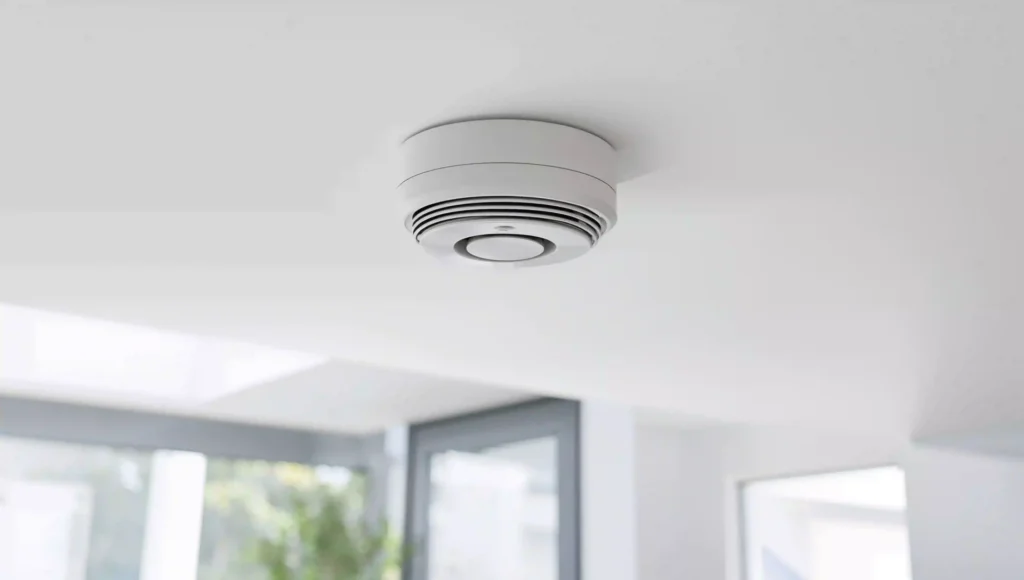
Illinois homes are generally required to have at least one operating CO alarm within 15 feet of every room used for sleeping, subject to limited statutory exceptions. The Illinois Department of Public Health provides more information about the state requirement.
For additional protection, the U.S. Consumer Product Safety Commission recommends alarms on every level of the home and outside sleeping areas. Interconnected alarms offer an advantage because when one detects CO, they all sound.
Follow these alarm-safety practices:
- Choose alarms that meet the current UL 2034 safety standard.
- Follow the manufacturer’s placement and installation instructions.
- Do not place an alarm where furniture or curtains could cover it.
- Avoid locations directly above fuel-burning appliances.
- Test alarms as directed by the manufacturer.
- Replace batteries and the alarm itself according to its instructions.
- Pay attention to end-of-life signals because CO sensors do not last forever.
If you are unsure whether your home has enough protection, Five Star can help with smoke and carbon monoxide detector services.
What to Do if a CO Alarm Sounds
Never ignore a sounding carbon monoxide alarm, and do not remain inside to search for the source.
- Get everyone—including pets—outside into fresh air immediately.
- Call 911 or your local fire department from outside.
- Account for everyone in the household.
- Do not reenter until emergency responders say it is safe.
- Do not operate the suspected furnace or other fuel-burning appliance again until trained personnel have inspected and serviced it.
These steps follow CPSC carbon monoxide safety guidance.
An intermittent chirp may indicate a low battery, malfunction, or end-of-life warning, depending on the alarm. Check the manufacturer’s instructions from a safe location. If you cannot confidently identify the signal, treat it as an emergency and contact the fire department.
Seven Furnace Safety Steps for Winter
1. Schedule professional furnace maintenance every year
Annual furnace maintenance is one of the most practical ways to support safe, reliable operation.
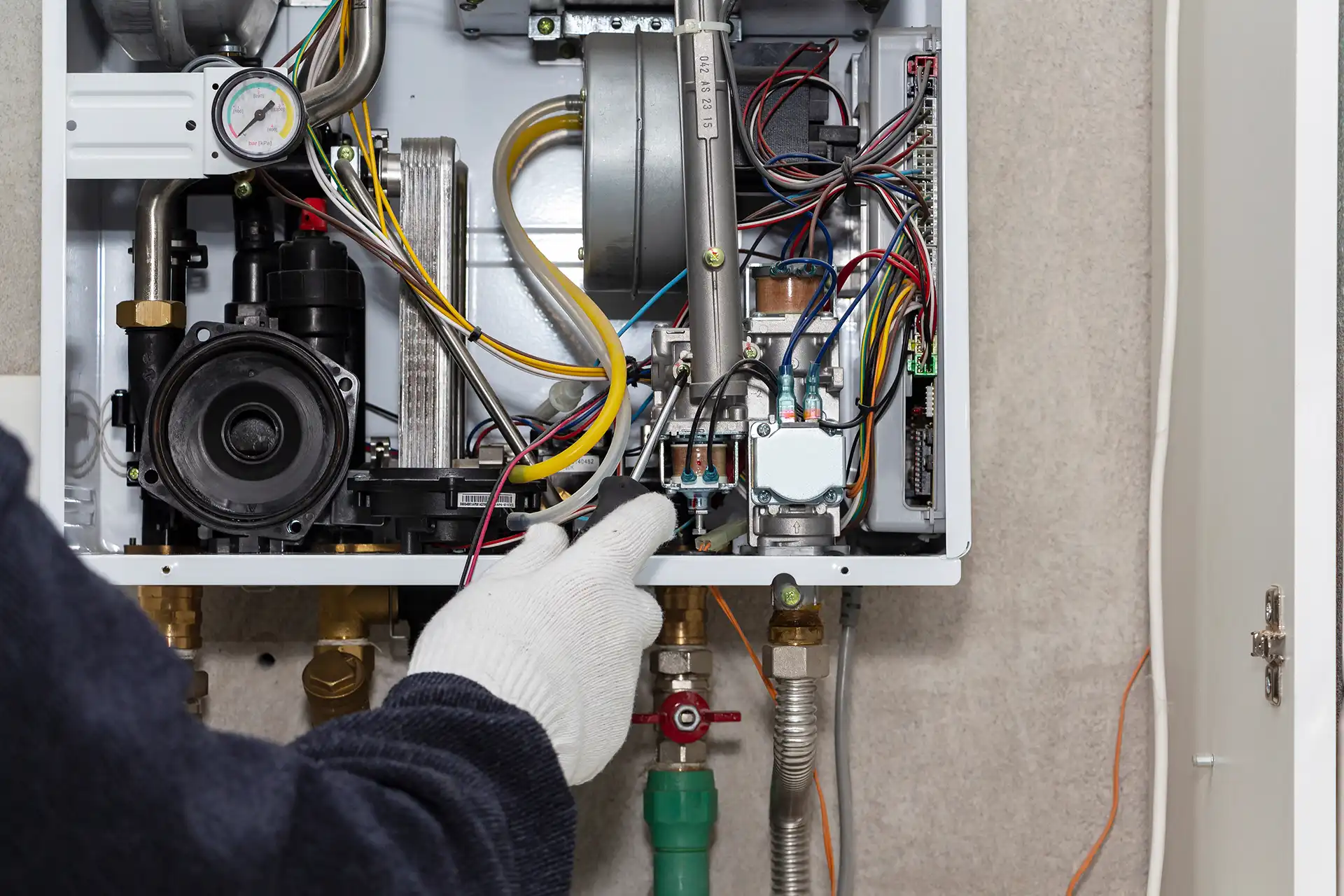
A trained technician can inspect the furnace, burner operation, safety controls, electrical and gas connections, and visible venting components. Maintenance may also uncover smaller issues before they become no-heat emergencies on a freezing night.
2. Keep furnace vents clear
Snow, ice, leaves, animal nests, and other debris can obstruct exterior intake or exhaust openings.
After heavy snowfall or drifting, visually check outdoor furnace vents from a safe location and keep the surrounding area clear. Do not insert tools into a vent or dismantle the venting yourself.
3. Keep the furnace area uncluttered
Do not store gasoline, paint thinner, paper, cardboard, cleaning products, or other flammable materials close to the furnace.
The equipment also needs adequate room for service and, depending on its design, combustion air. Avoid leaning boxes or household items against the furnace or its venting.
4. Replace the air filter regularly
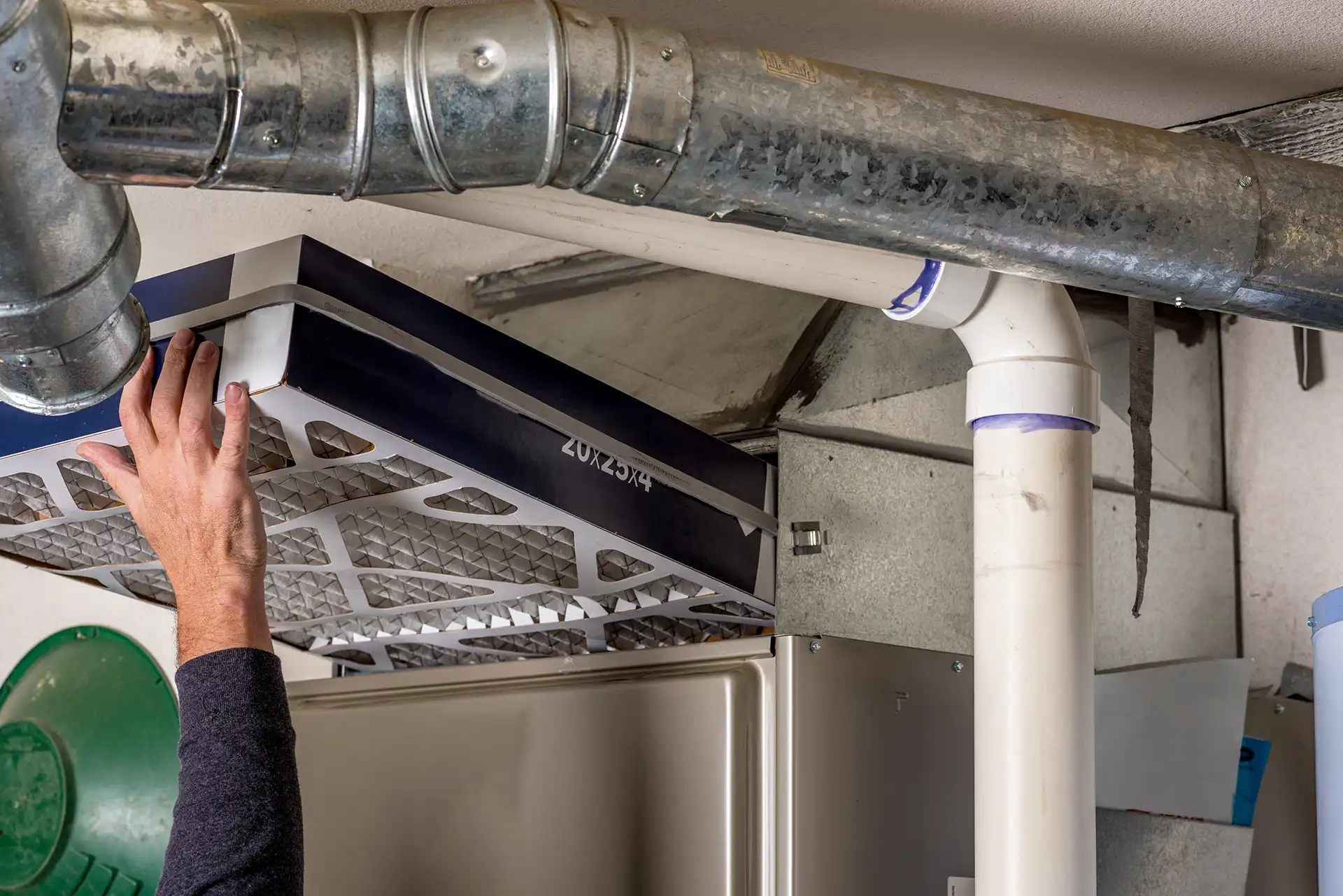
A dirty filter can restrict airflow and make your heating system work harder. Check the filter as recommended by the furnace and filter manufacturers, and always install the correct size and type.
Changing a filter is helpful routine maintenance, but it is not a substitute for a professional combustion and safety inspection.
5. Leave combustion repairs to trained professionals
Replacing an accessible air filter may be a reasonable homeowner task. Adjusting burners, gas valves, safety switches, vent connections, or internal furnace components is not.
Fuel-burning equipment requires the proper training and instruments to evaluate safely. Attempting a repair without them could make the situation worse or interfere with the furnace’s safety controls.
6. Watch for signs that the furnace needs attention
Contact a heating professional if you notice:
- Soot or unusual discoloration near the furnace or vent
- Corrosion or visible damage
- Water collecting around the equipment
- Repeated furnace shutdowns
- Unusual burner or venting noises
- A loose or damaged vent connection
- An unexpected increase in heating costs
- Heating problems from room to room
An unusual odor may indicate a heating problem, but remember that carbon monoxide itself has no smell.
If your furnace is behaving differently than usual, arrange professional heating repair rather than waiting for the issue to worsen.
7. Use other fuel-burning equipment safely
Never use a gas oven or range to heat your home. Never leave a vehicle running in an attached garage, even with the garage door open.
Portable generators and charcoal grills belong outdoors and away from the home—not in a garage, basement, enclosed porch, or other partially enclosed space.
Can a Cracked Heat Exchanger Cause Carbon Monoxide Problems?
The heat exchanger separates the furnace’s combustion gases from the air circulated through your home. Damage to this component can be serious, but it is only one of several possible causes of a carbon monoxide problem.
Venting defects, poor combustion, installation problems, and malfunctions involving other fuel-burning appliances can also create risks.
A heat exchanger cannot be reliably evaluated through a quick homeowner inspection. If a technician identifies damage, ask for a clear explanation of the findings and the recommended next step.
At Five Star, our approach is to inspect the system carefully, explain what is wrong, and provide the expected cost before work begins.
Make Furnace Safety Part of Your Winter Routine
Carbon monoxide safety does not need to be complicated. Keep working CO alarms in the proper locations, schedule professional furnace maintenance every year, keep vents and the furnace area clear, and act immediately if an alarm sounds.
Five Star Heating, Cooling, Plumbing & Electrical has served Palatine and the surrounding communities since 1981. Our licensed and insured technicians service all major furnace brands, provide upfront pricing, and are available for routine maintenance and 24/7 heating emergencies.
To schedule furnace service, book an appointment online or call (847) 250-6610.